
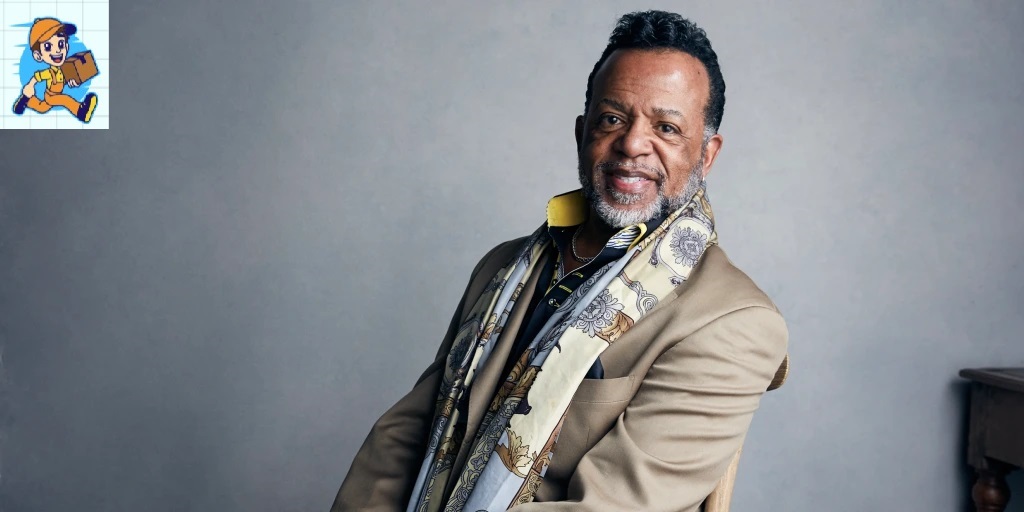

Carlton Pearson is one of the most intriguing and controversial figures in modern American Christianity. Once a celebrated Pentecostal bishop and one of the most influential preachers in the United States, Pearson’s life took a dramatic turn when his beliefs challenged the very core of evangelical Christianity. His story is one of faith, transformation, rejection, and redemption — a powerful journey that continues to inspire conversations about spirituality and inclusion.
Early Life and Spiritual Roots
Carlton D’Metrius Pearson was born on March 19, 1953, in San Diego, California. He grew up in a devout Christian home, raised by parents who were deeply involved in the Church of God in Christ. From an early age, Pearson showed a remarkable ability to preach, sing, and inspire others through faith. His natural charisma and powerful oratory skills made him stand out among his peers.
After high school, Pearson attended Oral Roberts University (ORU) in Tulsa, Oklahoma, where he studied theology and developed a close relationship with the university’s founder, Oral Roberts. Under Roberts’ mentorship, Pearson became a rising star in the Pentecostal movement and was soon recognized as one of its most promising young leaders.
Rise to Prominence
By the 1980s, Carlton Pearson had become a household name in Christian circles. He founded the Higher Dimensions Evangelistic Center in Tulsa, which grew rapidly to more than 5,000 members. His church attracted people from diverse racial and cultural backgrounds — a rare achievement in the largely segregated American church scene at the time.
Pearson’s sermons were broadcast on national television through the “Higher Dimensions” program, reaching millions of viewers each week. He was a regular guest on Christian talk shows and shared the stage with prominent evangelical leaders. His magnetic personality and heartfelt preaching style made him one of the most influential African-American pastors of his generation.
The Gospel of Inclusion
In the late 1990s, Pearson experienced what he described as a spiritual awakening. While watching news coverage of the Rwandan genocide, he began to question traditional Christian teachings about hell and eternal damnation. He wondered how a loving God could condemn billions of people to eternal suffering simply because they had not accepted Jesus Christ as their savior.
This reflection led him to develop what he later called the “Gospel of Inclusion.” In essence, Pearson came to believe that all people are saved, regardless of their faith, background, or religious beliefs. He argued that God’s love is universal and unconditional, and that salvation is not limited to Christians alone.
This radical departure from orthodox theology shocked the evangelical community. Many of Pearson’s peers and former allies labeled his teachings as heretical. The Joint College of African-American Pentecostal Bishops declared him a heretic in 2004, and his church membership plummeted as people left in disagreement.
Fall from Grace
The rejection was swift and painful. Once one of the most celebrated pastors in the country, Carlton Pearson found himself ostracized and abandoned by many of his colleagues and followers. His megachurch, which had once been a vibrant spiritual home for thousands, dwindled to a few hundred members. The financial strain forced Pearson to sell the church building.
Despite the backlash, Pearson remained steadfast in his beliefs. He continued to preach the Gospel of Inclusion, even as it cost him his reputation and livelihood. His courage to stand by his convictions became a defining feature of his life and ministry.
New Beginnings and Continued Ministry
After leaving the Pentecostal movement, Carlton Pearson continued his ministry through smaller congregations and speaking engagements. He found a new spiritual home in the United Church of Christ, a more progressive denomination that welcomed his inclusive message.
In recent years, Pearson’s story has reached new audiences thanks to the 2018 Netflix film “Come Sunday,” which dramatizes his life and theological transformation. The movie, starring Chiwetel Ejiofor as Pearson and Martin Sheen as Oral Roberts, introduced millions of viewers to his journey and sparked renewed discussions about faith, doubt, and acceptance.
Pearson also became a vocal advocate for LGBTQ+ inclusion in the church, arguing that God’s love extends to all people without exception. His message resonates deeply with those who feel marginalized by traditional religious institutions.
Personal Life and Legacy
Carlton Pearson married Gina Marie Gauthier in 1993, and the couple had two children. Though they later separated, Pearson has often spoken lovingly of his family and the lessons he learned through personal challenges.
In recent years, Pearson faced significant health issues, including a battle with cancer. Despite his physical struggles, he continued to share messages of hope, compassion, and forgiveness. His faith, though transformed, remained the cornerstone of his identity.
Pearson’s legacy is complex yet profound. To some, he remains a fallen preacher who strayed from biblical truth; to others, he is a courageous reformer who dared to challenge religious dogma in the pursuit of a more compassionate faith. Regardless of one’s perspective, there is no denying that Carlton Pearson’s story has left an indelible mark on American Christianity.
Impact and Reflections
Carlton Pearson’s journey is more than a tale of controversy — it’s a story about the evolution of belief and the cost of spiritual authenticity. His willingness to question centuries-old doctrines encouraged many to reexamine their own faith in light of love, empathy, and reason.
Through his Gospel of Inclusion, Pearson offered an alternative vision of Christianity — one rooted in grace rather than fear, and in compassion rather than condemnation. His teachings continue to inspire open-minded Christians and spiritual seekers around the world.
As the global conversation around religion becomes increasingly diverse, Carlton Pearson’s message of universal love and acceptance stands as a reminder that spirituality can evolve, and that faith can exist beyond traditional boundaries.
Conclusion
Carlton Pearson’s life is a powerful testament to the courage it takes to follow one’s convictions, even when it leads to rejection. From a celebrated evangelist to a spiritual reformer, his journey illustrates the beauty and pain of transformation. His story continues to challenge believers and nonbelievers alike to think more deeply about what it truly means to love, forgive, and include.