
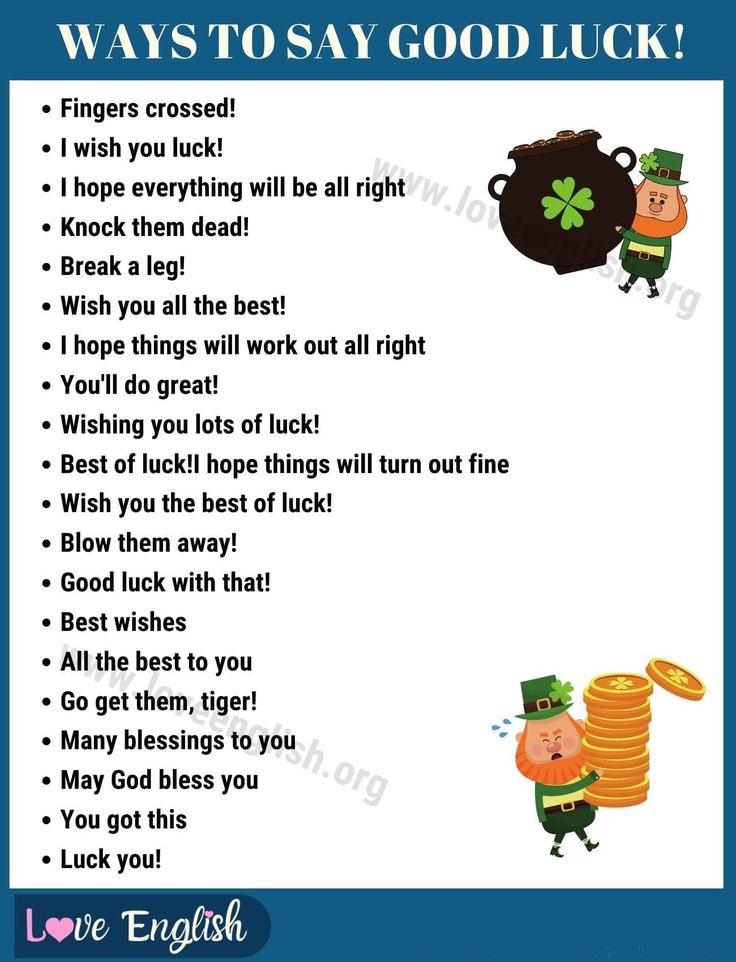

In everyday conversation—whether online or in person—we often come across the phrase “Best of luck.” It’s simple, positive, and encouraging. But many people find themselves stuck trying to figure out the perfect “best of luck reply.” Should you keep it casual? Should you make it polite? Should you keep it short, or is a longer response better?
Crafting the right reply depends on your relationship with the sender, the context of the conversation, and the tone you want to express. In this article, we will explore the meaning of the phrase, its different uses, and the best ways to respond in friendly, formal, professional, and online settings. Let’s dive into how to reply to “Best of luck” with confidence and sincerity.
What Does “Best of Luck” Really Mean?
Although the phrase may look simple, it carries a lot of warmth. When someone says “Best of luck,” they are wishing you success in something important. It may be related to:
- A job interview
- An exam or test
- A new project
- A life decision
- A challenging situation
- A competition or event
Understanding the purpose behind the phrase helps you craft a reply that feels natural and appropriate. The key is to respond with appreciation while matching the tone of the person who sent it.
Polite and Simple Replies
If you want to keep your reply friendly and straightforward, here are some easy options:
- “Thank you! I appreciate it.”
- “Thanks so much!”
- “Thank you! That means a lot.”
- “Thanks! I’ll do my best.”
These replies are perfect for casual conversations or brief interactions where you want to acknowledge the good wishes without overthinking it.
Friendly and Warm Replies
When the message comes from someone you know well, you can add a little warmth and personality:
- “Thank you! Your support really boosts my confidence.”
- “Thanks! I’m feeling more motivated already.”
- “Thank you! I hope everything goes well.”
- “Thanks! Fingers crossed!”
These responses feel natural and heartfelt, showing that you genuinely appreciate the encouragement.
Professional “Best of Luck” Replies
Handling well-wishes in a professional environment requires a bit more formality. Your reply should sound polished and respectful.
Here are strong professional replies:
- “Thank you. I truly appreciate your support.”
- “Thanks for the encouragement. It means a great deal.”
- “Thank you. I look forward to giving my best effort.”
- “I appreciate the positive wishes. Thank you!”
These responses work well for colleagues, supervisors, business partners, or clients.
Humorous or Light-hearted Replies
Sometimes, the situation is casual enough that humor is appropriate. Just make sure the person understands your sense of humor.
Examples include:
- “Thanks! I’ll need all the luck I can get!”
- “Thank you! If luck fails, at least I tried.”
- “Thanks! I hope luck is on my side today.”
- “Cheers! Let’s hope the universe is listening.”
These replies add personality and fun to the conversation.
Motivational and Confident Replies
If you want to show determination and positivity, consider these confident replies:
- “Thank you! I’m ready to give it my all.”
- “Thanks! I’m confident things will turn out well.”
- “Thank you! I’m prepared and excited for what’s ahead.”
- “Appreciate it! I’m committed to making this work.”
These responses not only acknowledge the good wishes but also highlight your strong mindset.
When You Want to Return the Good Wishes
Replying with a similar positive message strengthens the connection and shows mutual respect. This is especially useful in friendly or professional settings.
- “Thank you! Wishing you the best as well.”
- “Thanks! I hope things go great for you too.”
- “Thank you! Sending good luck your way as well.”
- “Appreciate it! Best of luck to you too.”
This creates a warm, balanced exchange.
Replies for Social Media or Text Messages
Online conversations tend to be shorter, quicker, and sometimes more playful. Here are social-friendly replies:
- “Thank you! 😊”
- “Thanks a lot! 🙏”
- “Appreciate it 💯”
- “Thanks! Really means a lot ❤️”
A simple emoji can make your message feel friendly without needing many words.
Choosing the Right Reply: What Really Matters
The perfect “best of luck” reply depends on two things:
1. Your Relationship With the Speaker
Are they a friend, coworker, boss, or someone you just met?
Match your tone to theirs.
2. The Situation
Is it serious, casual, professional, or emotional?
Keep your message appropriate to the context.
The goal isn’t to come up with a dramatic or complex answer—it’s to be genuine. Even a two-word reply can feel meaningful if it’s sincere.
Why a Good Reply Matters
You might think it’s just a small phrase, but your reply can leave a strong impression. A thoughtful “best of luck reply” shows:
- Appreciation
- Respect
- Confidence
- Connection
- Professionalism
Whether you’re responding to a friend cheering you on or a colleague wishing you well before an important task, your reply reflects your personality and communication style.
Final Thoughts
Responding to “Best of luck” doesn’t have to be complicated. The right reply simply acknowledges the kindness, matches the tone of the conversation, and expresses your gratitude. From simple polite answers to warm, humorous, or professional replies, there are countless ways to respond in a way that feels natural and genuine.
No matter which reply you choose, the important thing is to stay authentic. A sincere response is always the best response.