
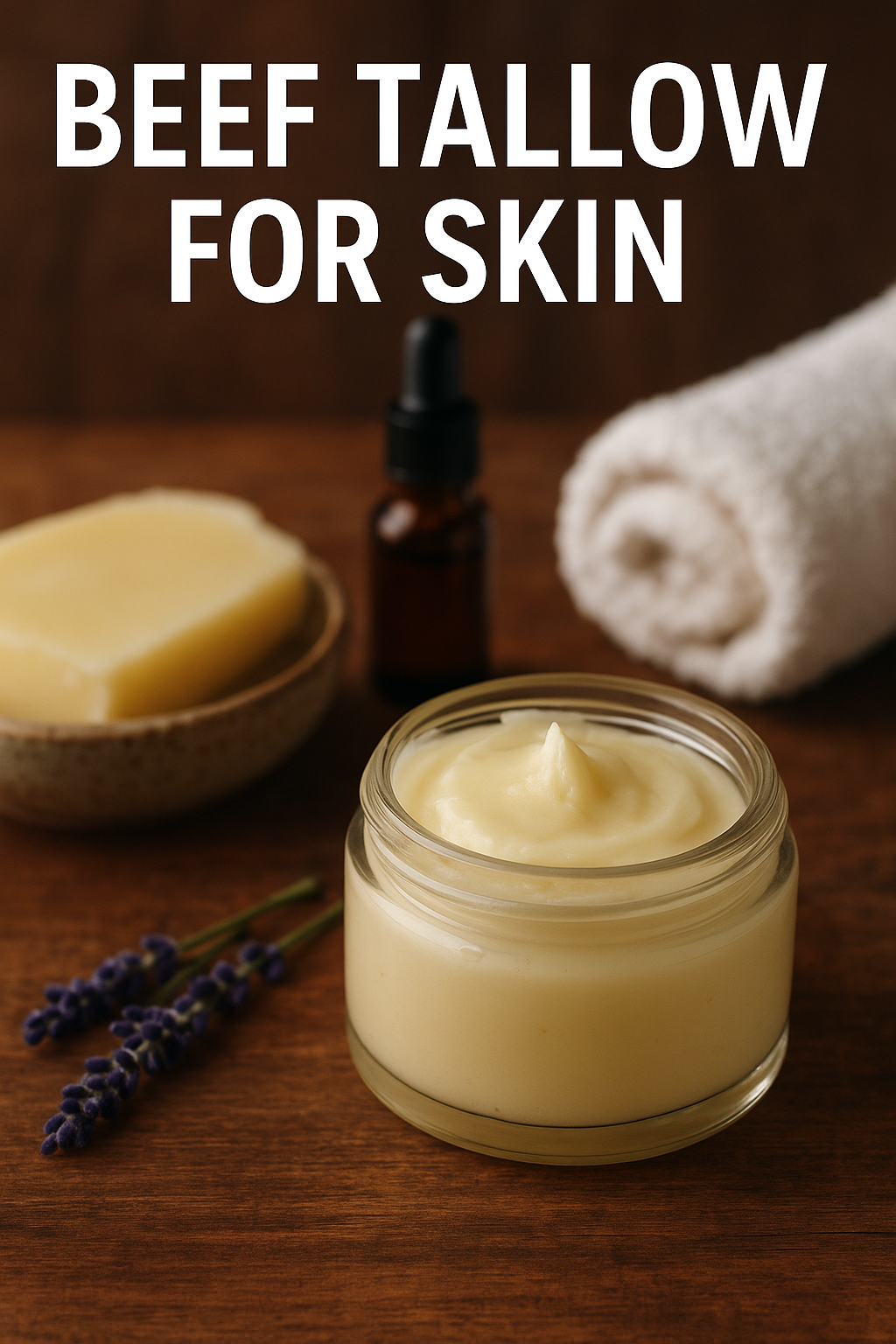

Beef tallow for skin is one of the oldest beauty secrets in the world, yet only recently has it made a major comeback in natural skincare communities. If you’ve been searching for a non-toxic, deeply nourishing moisturizer that works with your skin—not against it—then beef tallow might be exactly what you need. This guide breaks down everything you should know in a simple, conversational style so you can decide if it fits your skincare routine.
What Is Beef Tallow?
A Quick Overview
Beef tallow is simply rendered beef fat. When the fat from cows is slowly melted and purified, it turns into a creamy, nutrient-rich substance that has been used historically for cooking, healing, and skincare.
Why It’s Becoming Popular Again
More people are moving toward clean beauty and traditional remedies. With concerns about synthetic fragrances, harsh chemicals, and preservatives, beef tallow for skin has resurfaced as a natural, effective alternative.
Why Use Beef Tallow for Skin?
Nutrient-Dense Composition
Beef tallow is packed with vitamins like A, D, E, K, and B12—nutrients that help nourish, repair, and protect the skin.
Mimics Oils Naturally Found in Human Skin
Here’s the cool part: the fatty acid profile of beef tallow closely matches the natural oils of human skin. That means your skin recognizes it, absorbs it, and benefits from it without irritation.
Ideal for Sensitive and Dry Skin
If regular lotions sting, clog pores, or leave your skin feeling greasy, beef tallow may be a game changer. Its natural consistency hydrates deeply but gently.
Benefits of Beef Tallow for Skin
Deep Moisturization
Beef tallow forms a natural moisture barrier that keeps hydration locked in throughout the day. It’s especially useful for cracked heels, dry hands, or flaky winter skin.
Natural Anti-Inflammatory Properties
Thanks to conjugated linoleic acid (CLA), beef tallow helps reduce redness, swelling, and irritation.
Supports Skin Barrier
A strong skin barrier keeps harmful bacteria out and moisture in. Beef tallow helps restore and maintain this protective layer.
Anti-Aging Effects
Fat-soluble vitamins support collagen production, reduce wrinkles, and improve skin elasticity.
Helps with Eczema and Psoriasis
Many people report relief from chronic skin conditions because beef tallow calms inflammation and deeply hydrates.
Non-Toxic and Clean Ingredient
Most store-bought lotions contain fillers, fragrances, and preservatives. With beef tallow, you know exactly what’s going on your skin.
How Beef Tallow Works on Skin
The Science Behind Its Fatty Acids
Beef tallow contains:
- Palmitic acid (restores skin barrier)
- Stearic acid (softens and heals skin)
- Oleic acid (deeply hydrating)
- Linoleic acid (reduces inflammation)
Why Your Skin Absorbs It Easily
Because its structure is similar to human sebum, your skin soaks it in without clogging pores.
How to Use Beef Tallow in Your Skincare Routine
As a Daily Moisturizer
Apply a pea-sized amount to damp skin. A little goes a long way!
As a Night Repair Balm
Tallow can help repair damaged skin while you sleep, leaving you with a natural glow.
As a Makeup Remover
Massage a small amount onto your face to break down makeup, then wipe with a warm cloth.
As a Lip and Hand Balm
It’s perfect for dry, chapped lips and rough hands.
DIY Beef Tallow Skincare Recipes
Tallow Whipped Moisturizer
Ingredients:
- ½ cup beef tallow
- 2 tbsp olive or jojoba oil
- Lavender essential oil (optional)
Whip everything together until fluffy and store in a jar.
Soothing Lavender Tallow Balm
Melt tallow, add essential oils, and pour into a tin for a simple, healing balm.
Beef Tallow vs. Regular Moisturizers
Which Is Better for Sensitive Skin?
Tallow is free from alcohols, chemicals, and preservatives—making it ideal for sensitive or allergy-prone skin.
Clean Beauty vs. Synthetic Ingredients
Most commercial lotions contain parabens, silicones, and dyes. Tallow offers a truly natural alternative.
Who Should Use Beef Tallow Skincare?
Best Skin Types
- Dry skin
- Sensitive skin
- Mature skin
- Combination skin
Conditions That Benefit the Most
- Eczema
- Dermatitis
- Psoriasis
- Rosacea
- Cracked heels and hands
Possible Side Effects of Beef Tallow
Patch Test Guide
Even natural ingredients can irritate some people. Always apply a small amount to your wrist first.
Not Suitable for Everyone
If you have very oily or acne-prone skin, start slowly. Some people may experience breakouts at first.
How to Choose High-Quality Beef Tallow Products
Grass-Fed vs. Grain-Fed
Grass-fed tallow contains more vitamins and anti-inflammatory properties.
What to Look For in Labels
- 100% pure tallow
- No synthetic preservatives
- Cold-processed
- No artificial fragrances
Conclusion
Beef tallow for skin is one of the most powerful yet underrated natural skincare ingredients available today. Whether you’re trying to heal dryness, soothe irritated skin, or switch to a clean, non-toxic skincare routine, beef tallow offers a simple and effective solution. With its natural compatibility with human skin, nutrient-dense composition, and impressive benefits, it’s no surprise that this ancient remedy is making a major comeback.
Give it a try—you may be surprised how quickly your skin falls in love with it!
FAQs
1. Is beef tallow safe for all skin types?
It’s generally safe, but those with very oily skin should use it sparingly.
2. Does beef tallow clog pores?
No, its structure is similar to natural skin oils, making it easily absorbed.
3. Can I use beef tallow on my face daily?
Yes, start with small amounts and adjust based on your skin’s needs.
4. Does beef tallow have a strong smell?
High-quality grass-fed tallow has a mild, natural scent.
5. Is beef tallow better than coconut oil for skin?
For many people, yes—tallow absorbs better and is less likely to clog pores.