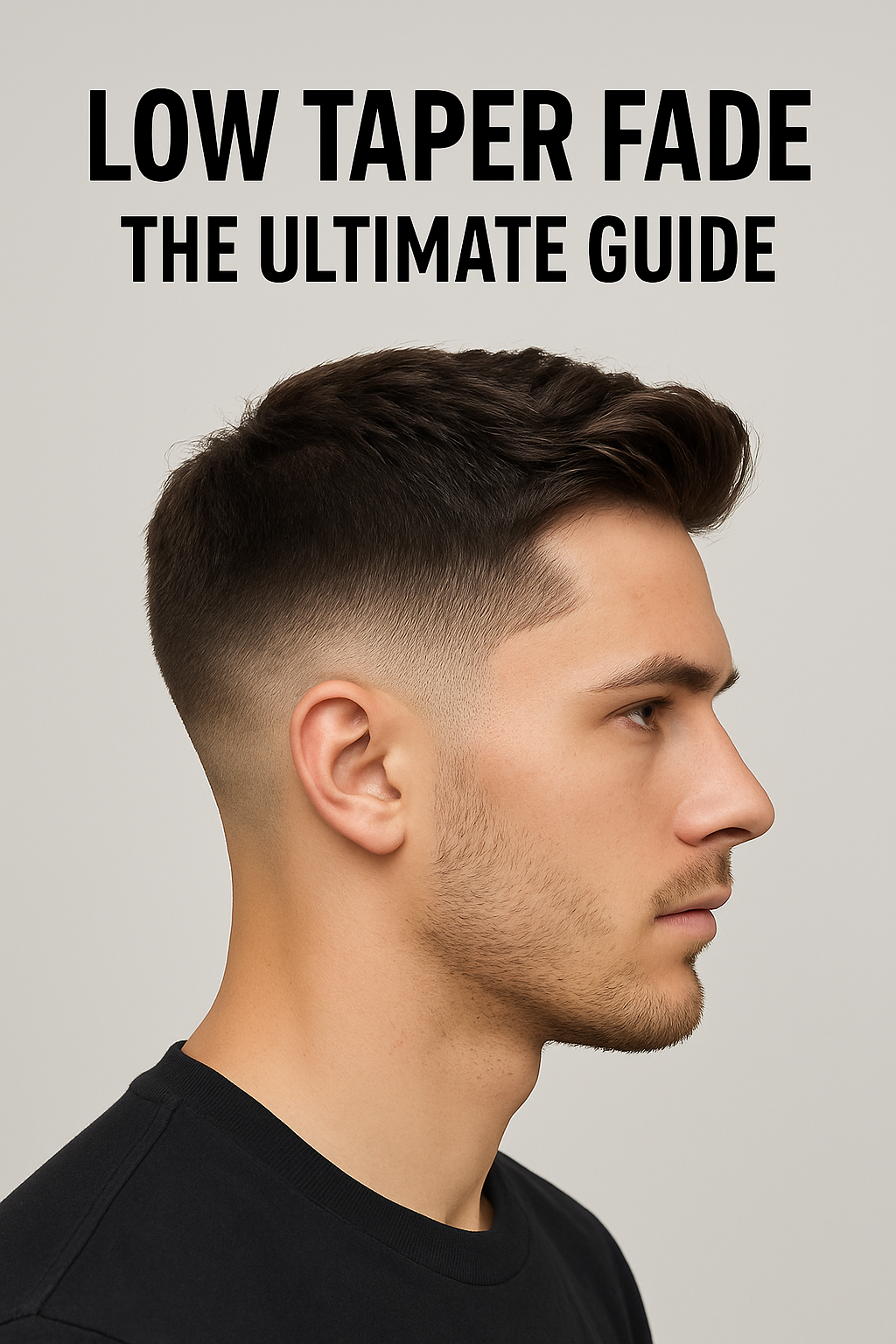

If you’ve ever walked into a barbershop and seen someone with that sharp, clean look on the sides of their head, chances are they were rocking a low taper fade. This haircut is sleek, versatile, and can suit almost any face shape or hair type. But what makes it so popular, and how can you get it just right? Let’s break it down.
What is a Low Taper Fade?
A low taper fade is a haircut that gradually shortens the hair as it goes down the sides and back of your head, starting just above the ears. Unlike high fades, which start much closer to the top of the head, the low taper fade keeps more hair around the temples and crown, giving a subtler, cleaner look.
Origins of the Low Taper Fade
The low taper fade has roots in classic barbering styles from the 20th century. It became especially popular in the 1990s hip-hop and R&B culture. Over time, barbers modernized the cut, adding texture, blending, and creative variations, making it a go-to style for men worldwide.
How It Differs from Other Fades
What sets the low taper fade apart is its subtlety. High fades can look bold and dramatic, while mid fades strike a balance. The low taper fade is understated and professional, making it perfect for both casual and formal settings.
Who Should Get a Low Taper Fade?
One of the reasons the low taper fade is so beloved is its versatility. Almost anyone can rock it, but some features make it particularly flattering.
Hair Types Best Suited for Low Taper Fades
- Straight Hair: Blends smoothly and creates a polished look.
- Wavy Hair: Adds natural texture and dimension.
- Curly Hair: Works beautifully with a bit of length on top to show off curls.
Face Shapes That Complement This Style
- Oval: Almost any fade works, but the low taper fade adds balance.
- Square: The fade softens strong jawlines while keeping definition.
- Round: Keeps the sides shorter, making your face appear longer.
- Diamond: Accentuates cheekbones without making the forehead look wider.
How to Style a Low Taper Fade
Getting the haircut is just half the battle. Styling is what makes your fade stand out.
Everyday Styling Tips
- Use a Light Pomade or Hair Cream: Keeps hair in place without weighing it down.
- Blow-Dry for Volume: Especially if you have thick or curly hair.
- Comb Strategically: Slightly back or to the side for a classic look.
- Messy Texture: Perfect for a casual, modern vibe.
Recommended Hair Products
- Pomade: For shine and hold.
- Matte Clay: Adds texture for a natural look.
- Hair Gel: Use sparingly for a sleek style.
- Leave-in Conditioner: Keeps hair healthy and soft.
Different Types of Low Taper Fades
The low taper fade isn’t just one style—it has variations to match your personality.
Classic Low Taper Fade
The original fade with smooth blending and minimal contrast. Clean, professional, and timeless.
Curly Low Taper Fade
Enhances natural curls on top while keeping sides neat. Perfect for medium to tight curl patterns.
Textured Low Taper Fade
Adds layers or choppy texture on top for a modern, edgy look. Works well with wavy or straight hair.
Low Skin Taper Fade
Taper fades all the way down to the skin for a sharper contrast. Ideal if you want a bold, fresh look.
Low Taper Fade Maintenance
Like any haircut, a fade needs care to keep it looking crisp.
How Often to Get a Trim
For most people, every 3-4 weeks keeps the fade looking sharp. Longer intervals can make the blend less distinct.
Keeping Your Fade Fresh at Home
- Wash regularly to avoid buildup.
- Moisturize hair and scalp.
- Use a comb or brush to maintain shape.
- Touch up edges with a trimmer if needed.
Popular Celebrities With Low Taper Fades
Several style icons have embraced the low taper fade, boosting its popularity:
- Chris Hemsworth – Clean and professional look.
- Zayn Malik – Edgy, textured version with longer top.
- Michael B. Jordan – Smooth fade complementing natural hairlines.
Seeing your favorite celebrity with a low taper fade can inspire your next barber visit!
Common Mistakes to Avoid
Even a simple cut like a low taper fade can go wrong if you’re not careful.
Choosing the Wrong Barber
Not every barber knows how to create a smooth fade. Always check reviews and ask for examples.
Over-Styling Your Hair
Too much product can ruin the natural gradient of your fade. Less is often more.
Low Taper Fade vs. High and Mid Fades
Understanding the differences helps you pick the right look.
Key Differences
- High Fade: Starts near the top, bold and dramatic.
- Mid Fade: Middle ground, balances subtlety and style.
- Low Fade: Starts near the ear, understated, professional.
Pros and Cons of Each Fade Type
- High Fade: Pros – Bold, trendy; Cons – Shorter upkeep, more dramatic.
- Mid Fade: Pros – Balanced; Cons – May not suit all face shapes.
- Low Fade: Pros – Subtle, versatile, professional; Cons – Less dramatic for trend-seekers.
Frequently Asked Questions (FAQs)
1. How long does a low taper fade take?
Typically 30-45 minutes, depending on hair length and complexity.
2. Can women get a low taper fade?
Absolutely! Many women choose fades for edgy or modern hairstyles.
3. How often should I wash my low taper fade?
2-3 times per week is usually enough; over-washing can dry out the scalp.
4. Can I grow a low taper fade out?
Yes, but it will require trims and shaping as it grows to maintain a neat look.
5. Is the low taper fade suitable for curly hair?
Yes! It works well with curls and allows them to be the focus while keeping sides neat.
Conclusion
The low taper fade is more than just a haircut—it’s a statement of style, versatility, and sophistication. Whether you’re looking for a subtle, professional appearance or a modern, textured vibe, this fade adapts to your hair type, face shape, and personal style. With proper maintenance and the right styling products, it can be your go-to haircut for years to come.