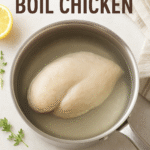
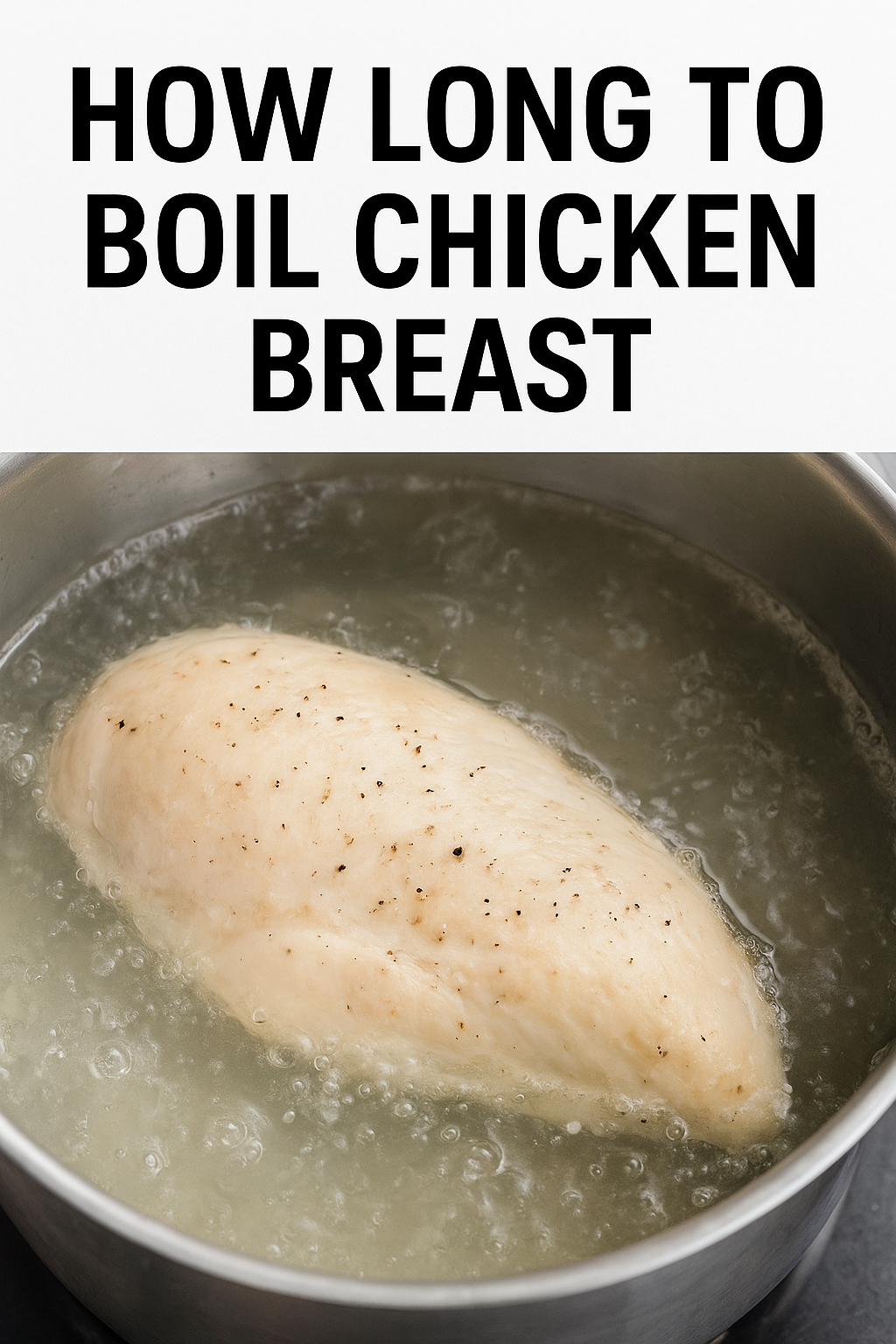

Boiled chicken breast is one of the easiest, healthiest, and most versatile foods you can cook at home. Whether you’re preparing a quick weeknight meal, making meal prep easier, or cooking chicken for shredding, boiling is one of the most reliable methods. But the big question everyone wants to know is: How long to boil chicken breast?
Knowing the correct timing ensures the chicken stays juicy, tender, and safe to eat—not dry or overcooked.
Why People Prefer Boiled Chicken Breast
Healthy Cooking Method
Boiling requires no oil and reduces overall fat, making it a great choice for fitness lovers, dieters, and anyone who wants a nutritious meal.
Quick and Simple
Boiled chicken breast requires minimal ingredients and effort. You simply add chicken to a pot, cover it with water, and let it cook.
How Long to Boil Chicken Breast
Boneless Chicken Breast
For boneless, skinless chicken breast, boil for 12–15 minutes.
Time may vary depending on thickness—large breasts may take up to 18 minutes.
Bone-in Chicken Breast
Bone-in chicken breast requires a little more time. Boil for 20–25 minutes until fully cooked.
Frozen Chicken Breast
Yes, you can boil frozen chicken breast. It usually takes 18–22 minutes for boneless and 25–30 minutes for bone-in pieces.
Step-by-Step Guide to Boiling Chicken Breast
Preparing the Chicken
Rinse the chicken and trim excess fat if needed. No special prep is required.
Seasoning Options
You can keep it simple or add flavor using:
- Salt and pepper
- Garlic
- Onion
- Bay leaves
- Lemon slices
- Chicken broth
- Herbs like thyme or rosemary
Cooking Instructions
- Place chicken breasts in a pot.
- Add enough water or broth to fully cover them.
- Add your favorite seasonings.
- Turn heat to medium-high and bring to a gentle boil.
- Reduce heat to low and simmer until cooked through.
- Remove chicken and let it rest for 5 minutes before cutting.
Signs That Chicken Breast Is Fully Cooked
Internal Temperature
Use a meat thermometer for accuracy.
Chicken breast is fully cooked at 165°F (74°C).
Texture and Color
- Meat should be firm but not rubbery.
- The center should be white, not pink.
- Juices should run clear, never red.
Tips for Perfectly Boiled Chicken Breast
Avoid Overcooking
Boiling too long dries out the meat. Stick to the recommended time and watch closely.
Use Flavorful Liquids
Broth instead of water adds richer taste and makes the chicken more enjoyable.
Let It Rest Before Cutting
Resting keeps the juices inside, making the chicken tender and moist.
Common Mistakes to Avoid
Boiling Instead of Simmering
A rolling boil toughens the meat.
Keep it on a low simmer for soft, juicy chicken.
Cutting Chicken Too Early
Slice it immediately, and the juices escape—resulting in dry meat.
Let it rest 5 minutes first.
What to Do With Boiled Chicken Breast
Shredded Chicken Dishes
Perfect for:
- Tacos
- Burritos
- Quesadillas
- Sandwiches
Salads and Wraps
Add boiled chicken for easy protein:
- Caesar salad
- Chicken wraps
- High-protein meal prep bowls
Soups and Pasta
Boiled chicken mixes well with:
- Chicken noodle soup
- Alfredo pasta
- Spicy ramen
Health Benefits of Boiled Chicken
High Protein
Chicken breast is one of the highest protein, low-fat meats—great for building muscle.
Low Fat Cooking
Boiling reduces the need for oils, making it a heart-friendly cooking method.
Conclusion
Boiling chicken breast is one of the simplest and healthiest ways to cook tender, juicy chicken. The general rule is:
- Boneless: 12–15 minutes
- Bone-in: 20–25 minutes
- Frozen: 18–30 minutes depending on type
With the right timing and a few simple tricks, you’ll always end up with moist and flavorful chicken perfect for any dish.
FAQs
1. Can you boil chicken too long?
Yes—overboiling dries out the meat and makes it tough.
2. Should I boil chicken with or without a lid?
Keep the lid on for quicker cooking and softer chicken.
3. Can I use the leftover water as broth?
Absolutely! It makes great soup stock.
4. Is boiled chicken healthier than fried chicken?
Yes—boiled chicken has less fat and no added oil.
5. Can I freeze boiled chicken breast?
Yes, it freezes well for up to 3 months.